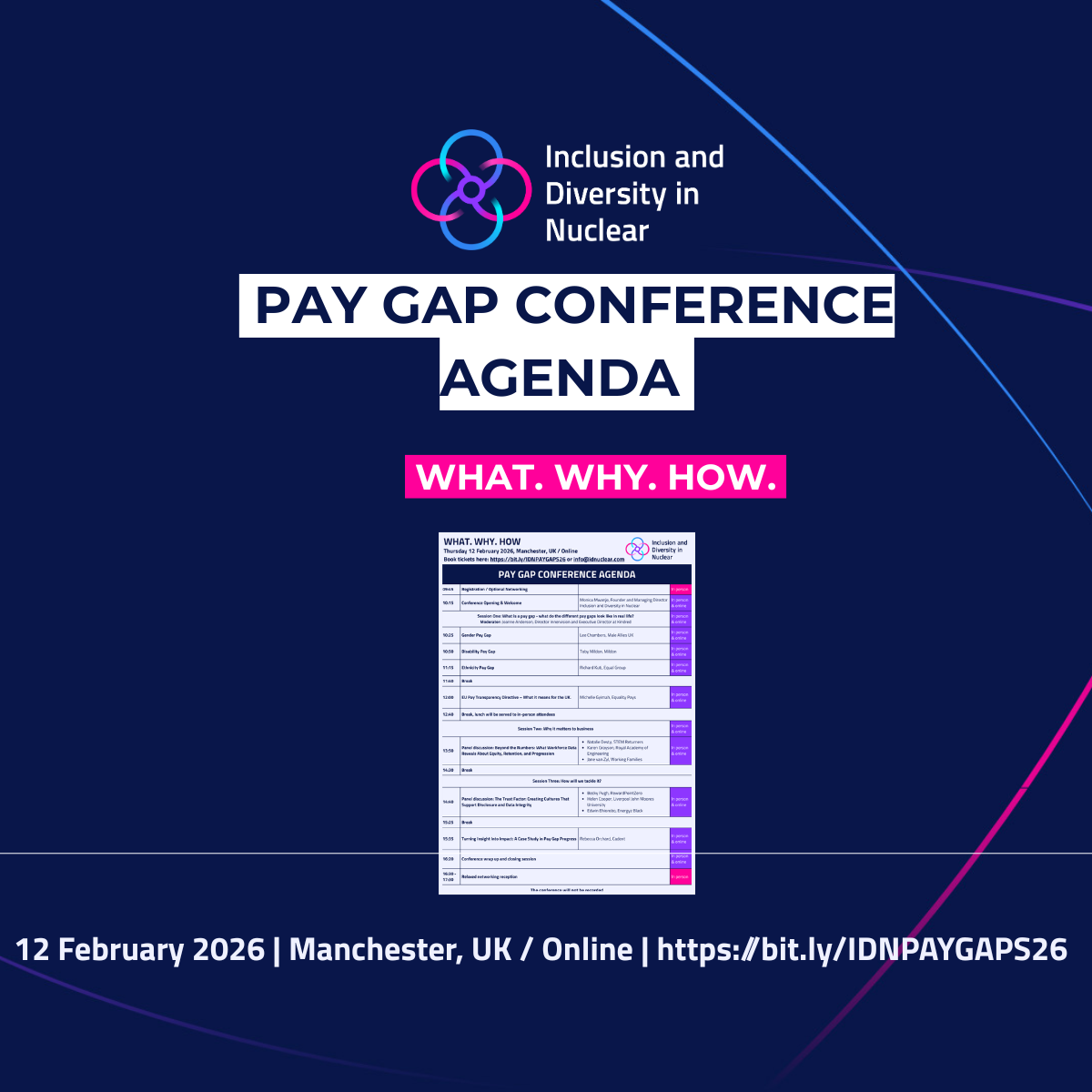
As we prepare for our Pay Gap Conference on Thursday 12th February 2026, we’ve compiled this explainer on the definition of pay gaps, the forms they take and what organisations must and can do with the data surrounding pay gaps in their organisation.
What is a Pay Gap?
A pay gap measures the difference between different demographic groups within a workforce, either on an organisational, industrial or regional/national level. This difference is typically reported as a percentage and can be calculated via the following methodologies:
- Median: The middle value pay of a group
- Mean: The average pay of a group, i.e. total remuneration of the group divided by the total members of the group
Pay gaps are not related to unlawful, unequal pay of individuals. Instead, they point to systemic issues, pertaining to recruitment, retention, career progression and available opportunities.
Types of Pay Gaps
Gender pay gap – The measurement to calculate average pay disparities between men and women is the most widely reported in the UK, mainly due to it being a legal requirement for some organisations in the UK (this is detailed later in this article).
ONS data from 2024/2025, as cited in IDN’s Gender Pay Gap Report, calculated the average gender pay gap at 13.10%. In the UK Nuclear Industry, the gap widens to 18.93%.
Ethnicity pay gap – This measures average pay disparities between employees in minoritised ethnicity groups and their white counterparts. Government data from 2024 calculated the average mean ethnicity pay gap as 14.3%.
Disability pay gaps – This measures the disparity between disabled employees and their non-disabled counterparts. Latest TUC figures from 2024 calculated this gap at 17.2%.
LGBTQ+ pay gaps – This measures the disparity between LGBTQ+ employees and their straight counterparts. The latest reports from 2022 identified the gap at 16%.
Why Pay Gaps Occur
There are several reasons why pay gaps are prevalent, such as:
- Under-representation of certain demographic groups in senior, high-paying roles
- Unequal access to career progression routes
- Barriers to recruitment – limited spread of role advertisements, lack of educational outreach in some sectors, and bias
- Limited access to mentorship, sponsorship and networks
- Career breaks and part time working patterns to accommodate parenting and care responsibilities
Such aspects compound over time to affect the pay levels of affected groups.
Legal Requirements for Pay Gap Data
Organisations with 250 employees or more in England, Scotland and Wales must submit their gender pay gap data to the UK Government, who will publish this data. This data must also be made freely available to all employees. This can be accompanied by a written narrative of the figures, as well as an action plan to close any occurring gaps.
Additionally, UK organisations with operations and employees in EU Member States will be required to submit gender pay gap data as per the EU Pay Transparency Directive which will be fully implemented in EU Member States by 7th June 2026, with reporting commencing in 2027. What employers are required to report, and when, will depend on the size of the organisation and number of employees.
What Organisations CAN do with their Pay Gap Data
Employers have an opportunity to use their pay gap data for more than reporting – this data is a vital resource for establishing fundamental challenges in the business pertaining to employee retention, motivation and productivity and make proactive changes to build a thriving workforce.
Establish proportion of gender split in higher- vs lower- pay roles – a reason for a gender pay gap main be the result of a higher proportion of women in lower paid roles in the organisation. This analysis can reveal any systemic barriers to career progression routes for women.
Expand the datasets to include more demographic information – this is to root out any issues with other types of pay gaps (as mentioned earlier in this article) you may have. Understanding the current situation informs what action must be taken to close such gaps.
Establish leadership accountability and set clear action plans – This is to reassure employees that this matter is taken seriously, and setting transparent, time-bound action plans will go a long way to achieve that.
Follow up and report progress – This is to build and maintain trust between leadership and employees and build an environment that employees will want to remain in and build their career.
Open a dialogue with employees on these challenges – building trust and a culture of care and psychological safety for employees is paramount to building employee retention. This is especially important in nuclear, where the requirements for staff recruitment AND retention are set to grow exponentially over the next few years to accommodate the demand in the industry.
Join the conversation
At the IDN Pay Gap Conference, we’ll bring together leaders, practitioners and advocates to delve into the pay gaps prevalent in our industry. We will provide valuable insights, expert advice and solutions to take away and implement in your organisations.
Date: Thursday 12th February 2026
Location: Manchester & Online
Tickets available here