
Content warning, this article mentions suicide.
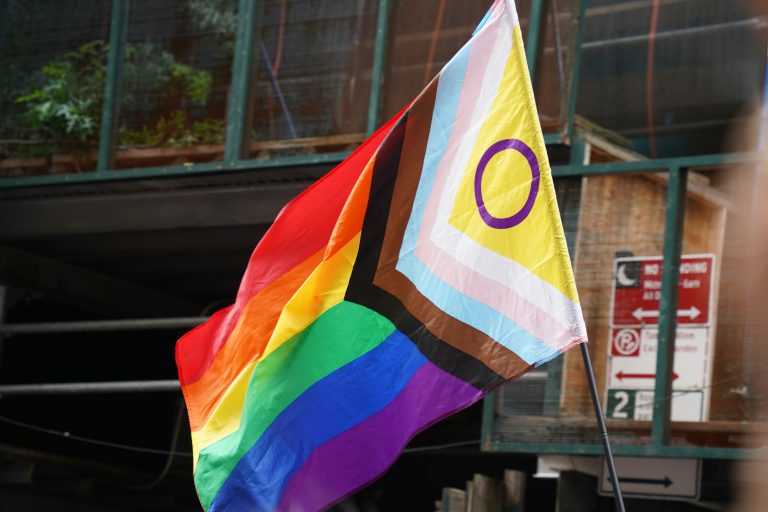
Pride Month is an annual event that celebrates the LGBTQ+ community. The event is held throughout the month of June and consists of parades, festivals, workshops and marches in honour of the Stonewall Riots and to commemorate the contributions of the LGBTQ+ community within society.
Why is Pride Month important?
Pride Month is both a celebration and continued fight for legal rights. Whilst the event is important because it celebrates difference, unity and the freedom to express one’s identity and sexuality, it also highlights the continued marginalisation of the LGBTQ+ community and advocates for progression.
In the present, the LGBTQ+ community are experiencing a rise in discrimination, homophobic and transphobic attacks, social exclusion and a decline in legal recognition.
This year, the United Kingdom has decreased in the Rainbow Map rankings, falling to the 22nd position. The largest attribute to the new position is the decline of transgender rights and safety.
In April 2025, the Supreme Court of the United Kingdom ruled that under the Equality Act 2010, the terms “sex”, “man”, and “woman” refer specifically to biological sex, that is, a person’s sex as registered at birth.
Commentators have noted that this ruling effectively limits the legal recognition of Gender Recognition Certificates (GRCs) in certain contexts, particularly where the Equality Act is applied. While the Gender Recognition Act 2004 allows individuals to change their legal sex, the Court clarified that this recognition does not override the biological definitions used in the Equality Act.
This decision has triggered a wave of concern. Many advocacy groups report that transgender people are now facing increased scrutiny, exclusion, and legal uncertainty. The ruling has also been linked to a rise in transphobic discrimination and hostility, making daily life more precarious and unsafe for many in the trans community.
Importantly, the impact on non-binary and gender non-conforming individuals must not be overlooked. While the ruling did not directly address non-binary identities, its strict binary framing of sex under the law has further marginalised those who do not identify within traditional gender categories, leaving them with even fewer legal protections and recognition.
Journalist, Jason Okundaye, highlights the dangers surrounding these legal proceedings:
‘One of the recommendations for how the UK can improve its standing in next year’s rainbow map is to “ensure timely and accessible trans healthcare, including addressing excessive waiting times and restoring access to puberty blockers for trans youth” – provision of which has been indefinitely banned following the Cass review of April 2024. Alice Litman, a 20-year-old transgender woman, died by suicide in 2022 after spending 1,023 days waiting for her first appointment with the now disbanded Gender Identity Development Service.’
It is also important to recognise the growing backlash faced by the entire LGBTQ+ community in wake of legal decisions. Members of the community are increasingly at risk of hate or violence for expressing their identity. Transgender individuals, in particular, are being denied access to gender-affirming healthcare and safe public spaces, such as bathrooms. LGBTQ+ members are disproportionally more likely to struggle with mental health difficulties and are at a higher risk of suicide.
While Pride Month is a time for celebration, this year it is important to take action: 2025 calls for an urgent need of protection, support and a push towards equality and equity, for the LGBTQ+ community.
LGBTQ+ Challenges in the workplace
Many of the legal and social challenges that the LGBTQ+ community face extend into the workplace. Members of the community are often treated with discrimination, violence, harassment and bullying within the working environment.
A report published by Pride Leadership this year highlights the experience of LGBTQ+ members within the workplace.
The report found that LGBTQ+ individuals struggle to obtain high-level positions: this can be due to fear of visibility, low representation or a lack of support and encouragement from HR or management departments:
‘85% have experienced one or more significant barriers in their career due to being LGBTQ+. These challenges are wide-ranging, from a clear absence of LGBTQ+ representation in leadership to damaging experiences of physical or verbal attacks in the workplace.’
The report also found that intersectionality plays a significant role in the challenges that LGBTQ+ individuals face within the workplace: ‘Some felt that being female or Black had posed greater challenges than their LGBTQ+ identity, while others noted disparities within the LGBTQ+ community itself, such as the visibility of gay men in leadership compared to lesbians’.
Furthermore, the report emphasised that ‘A high proportion (82%) of respondents say their organisations engage in visible actions such as rainbow lanyards, office flags, and internal Pride events, however, fewer employees perceive their organisations as investing in long-term, meaningful initiatives, such as funding LGBTQ+ training (37%) or supporting people to reach leadership roles through mentoring or coaching (31%)’.
It is clear that in 2025, workplaces, including HR and management departments, must make a sustained and conscious effort to ensure that LGBTQ+ members feel accepted, valued, safe and supported. While progress has been made, the current position calls for commitment and urgent action; not just during Pride month, but all year round.
Supporting the LGBTQ+ community at work
Creating an inclusive and supportive environment for the LGBTQ+ community is vital. Here’s how to enforce this beyond pride month:
Zero-tolerance Approach– implement and clearly communicate a zero-tolerance policy on bullying, harassment or discrimination based on sexual orientation and gender identity. It is vital that such offences are backed with clear and enforced consequences.
Provide Education and Training – Provide extensive and complete training to all members of staff on LGBTQ+ awareness. This may include insight into the challenges that LGBTQ+ members face, the importance of correct pronoun use, how to avoid assumption-based language and how to approach topics, such as identity and sexuality, in a respectful and supportive manner.
Support the Community – Provide ongoing, visible support to LGBTQ+ individuals and organisations. This could include partnering with LGBTQ+ charities, offering tailored mental health resources, and creating safe spaces for one-on-one conversations.
Offer Alternative Arrangements – recognise that LGBTQ+ members may feel unsafe in certain environments, or locations, where they could face increased discrimination or violence. To support this and where applicable, offer flexible options such as remote working, virtual meetings and alternative assignments that avoid unsafe environments. Creating these options shows understanding for individual circumstances and prioritises employee safety.
Promote Career Progression and Leadership Role Models – Encourage LGBTQ+ employees to pursue leadership roles by offering career development opportunities, a supportive environment and mentorship programmes. Empower LGBTQ+ leaders to be visible role models who represent the community. Doing so helps to create a culture of acceptance and shows that success is attainable. Visibility, when supported safely and respectfully, is a powerful tool for change.
Make LGBTQ+ Inclusion Part of the Business Strategy – Integrate LGBTQ+ inclusion from recruitment and hiring practices that use inclusive language and unbiased interviews, to leadership that promotes diversity at all levels. Ensure that inclusion is visible throughout the organisation by openly supporting LGBTQ+ rights and encouraging all employees to be active allies.
Helpful Resources and Insightful Reading
https://chemistry-europe.onlinelibrary.wiley.com/doi/full/10.1002/chem.202002474
Happiness Index LGBTQ Workplace Inclusion
https://www.bbc.co.uk/newsround/52872693
Showing pride in business: top tips for Pride Month
https://www.mind.org.uk/news-campaigns/pride-at-mind
https://www.mentalhealth.org.uk/explore-mental-health/statistics/lgbtiq-people-statistics
https://www.hrw.org/news/2025/05/09/uk-court-ruling-threatens-trans-people